A proxy has done its job when you understand the card’s role, know the correct copy count, expect to play the deck, and can justify the purchase within your budget.
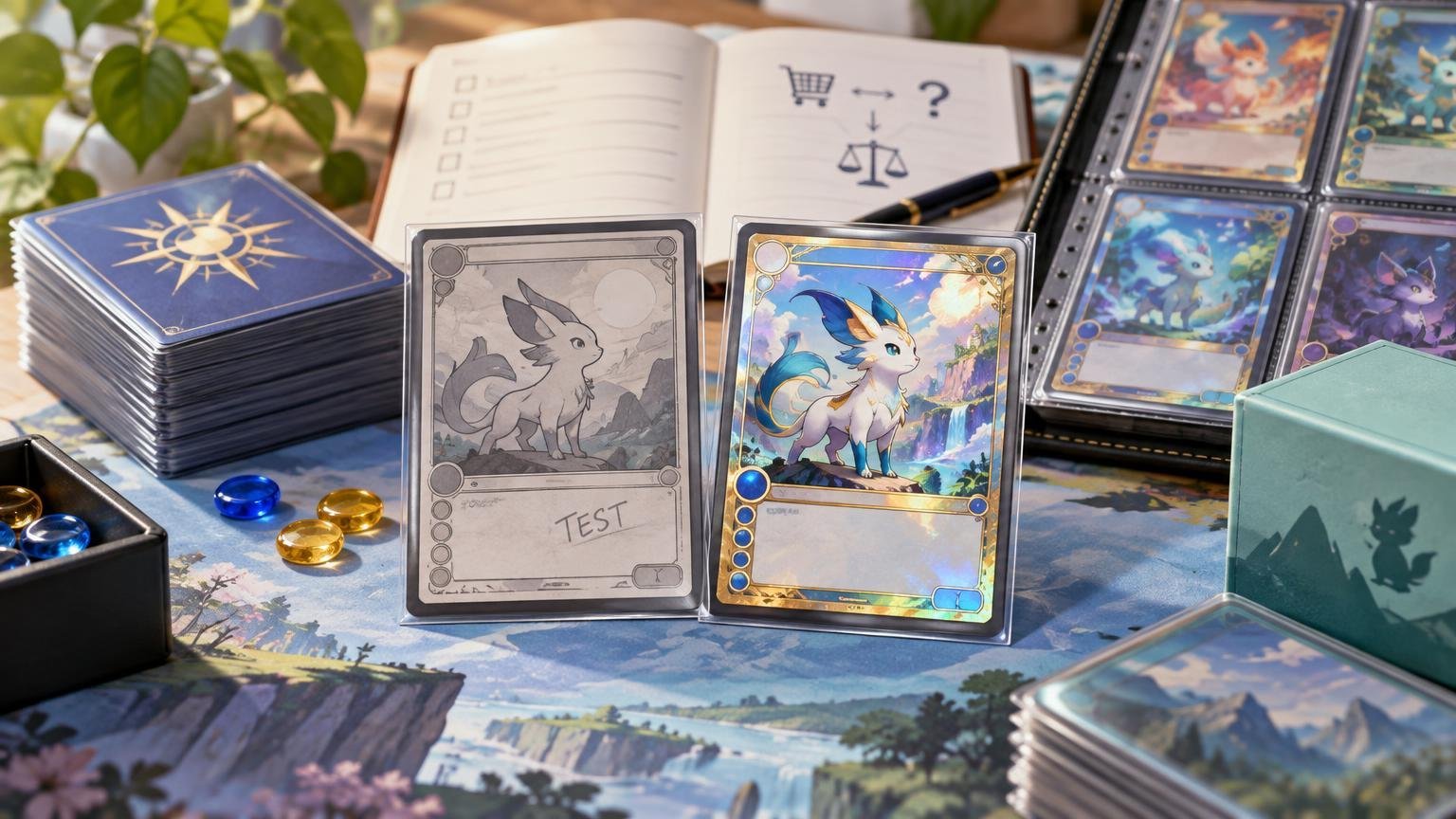

A proxy has done its job when you understand the card’s role, know the correct copy count, expect to play the deck, and can justify the purchase within your budget.
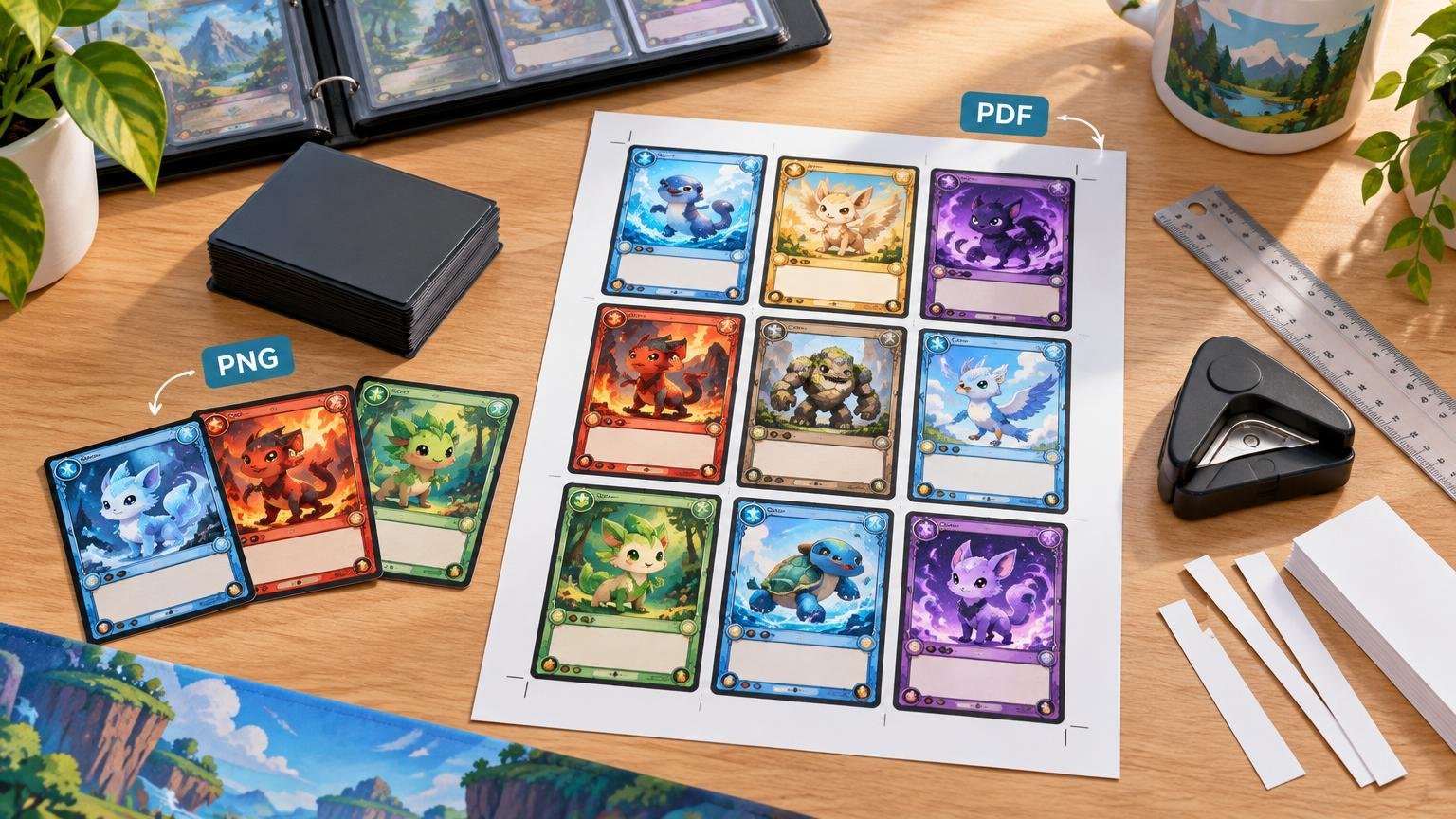
PNG is usually best for individual Pokémon proxy card images, while PDF is better for assembled, print-ready sheets. Here is how to use both without sacrificing scale or clarity.
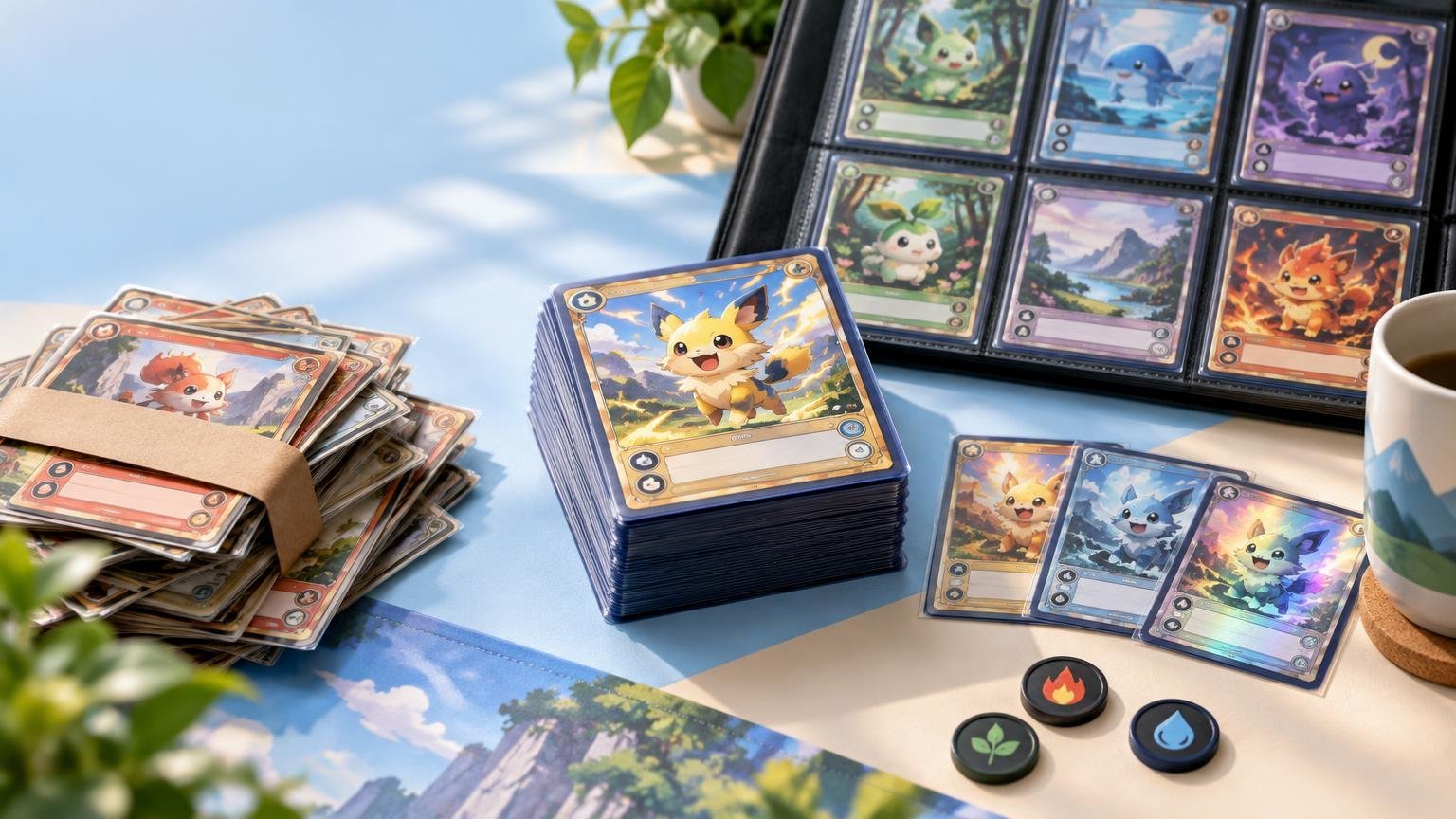
The cheapest Pokémon proxies are not necessarily the best value. Calculate the delivered cost per usable card, then check print consistency, finish, duplicates, support and project fit.
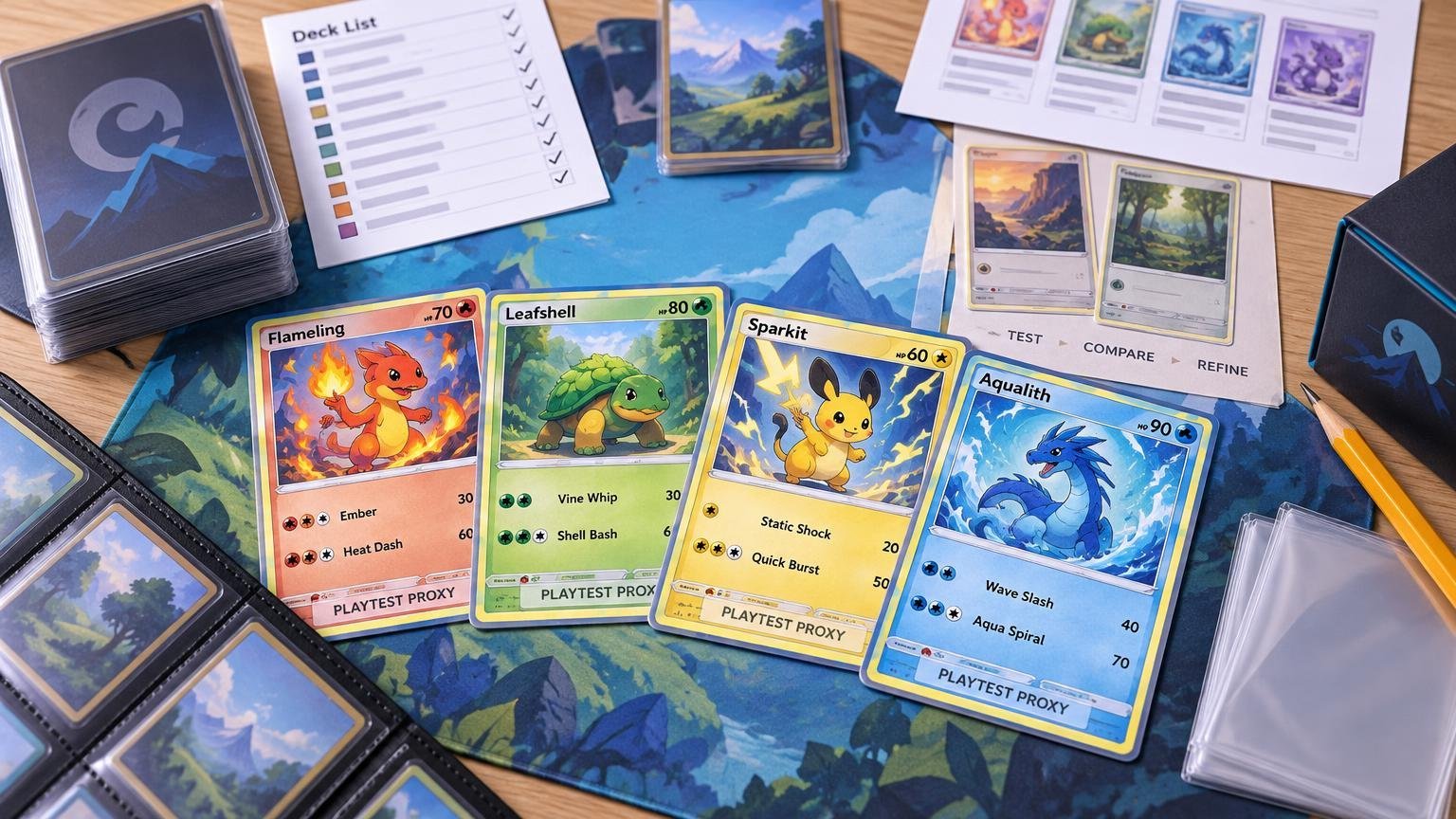
A practical guide to turning a Pokémon TCG deck list into readable, clearly marked playtest cards without confusing image generators, proxy tools, and printers.
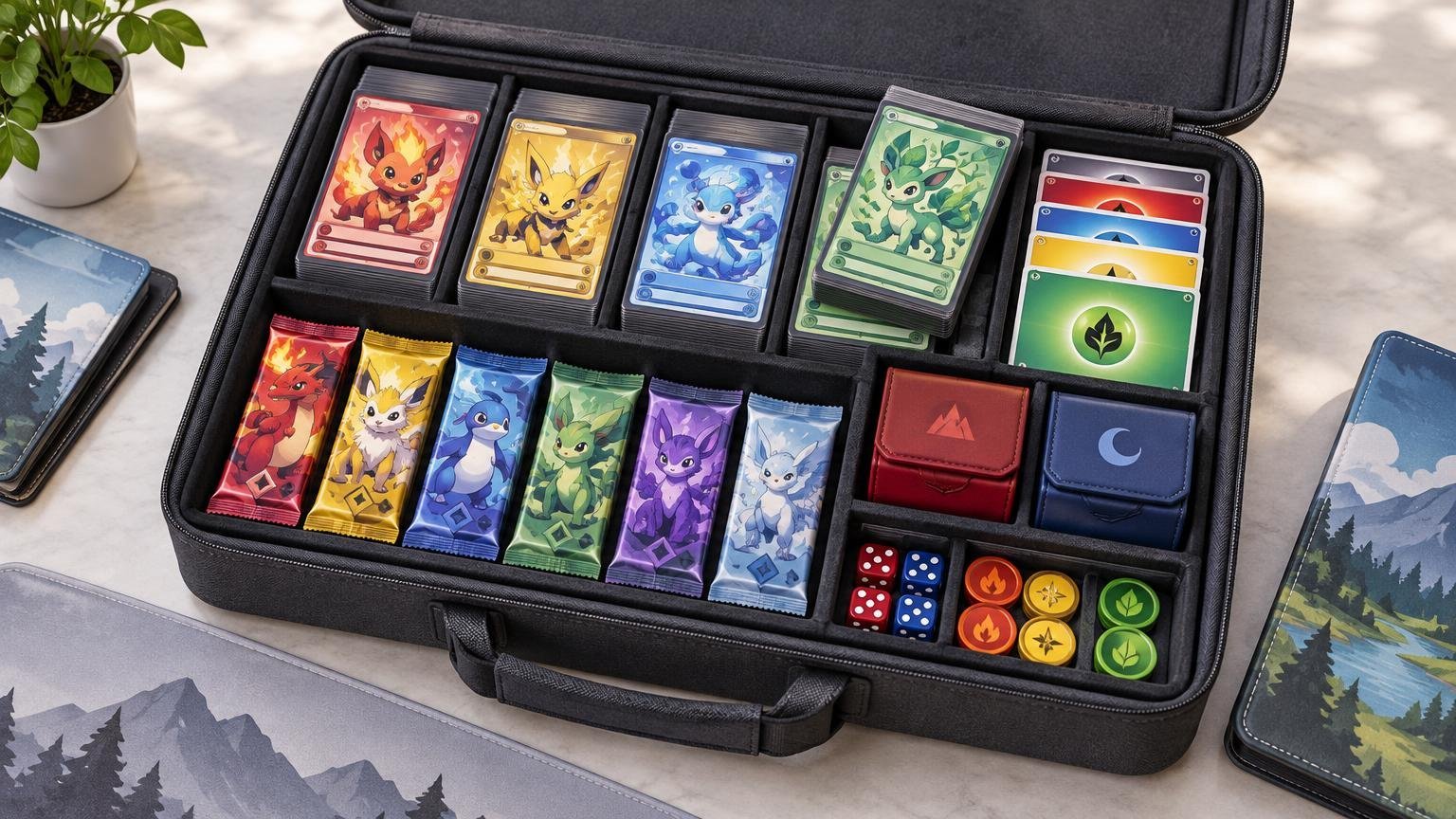
A practical storage system for sleeved Cube cards, Basic Energy, draft packs, accessories and player decks—with an emphasis on fast setup and reliable transport.
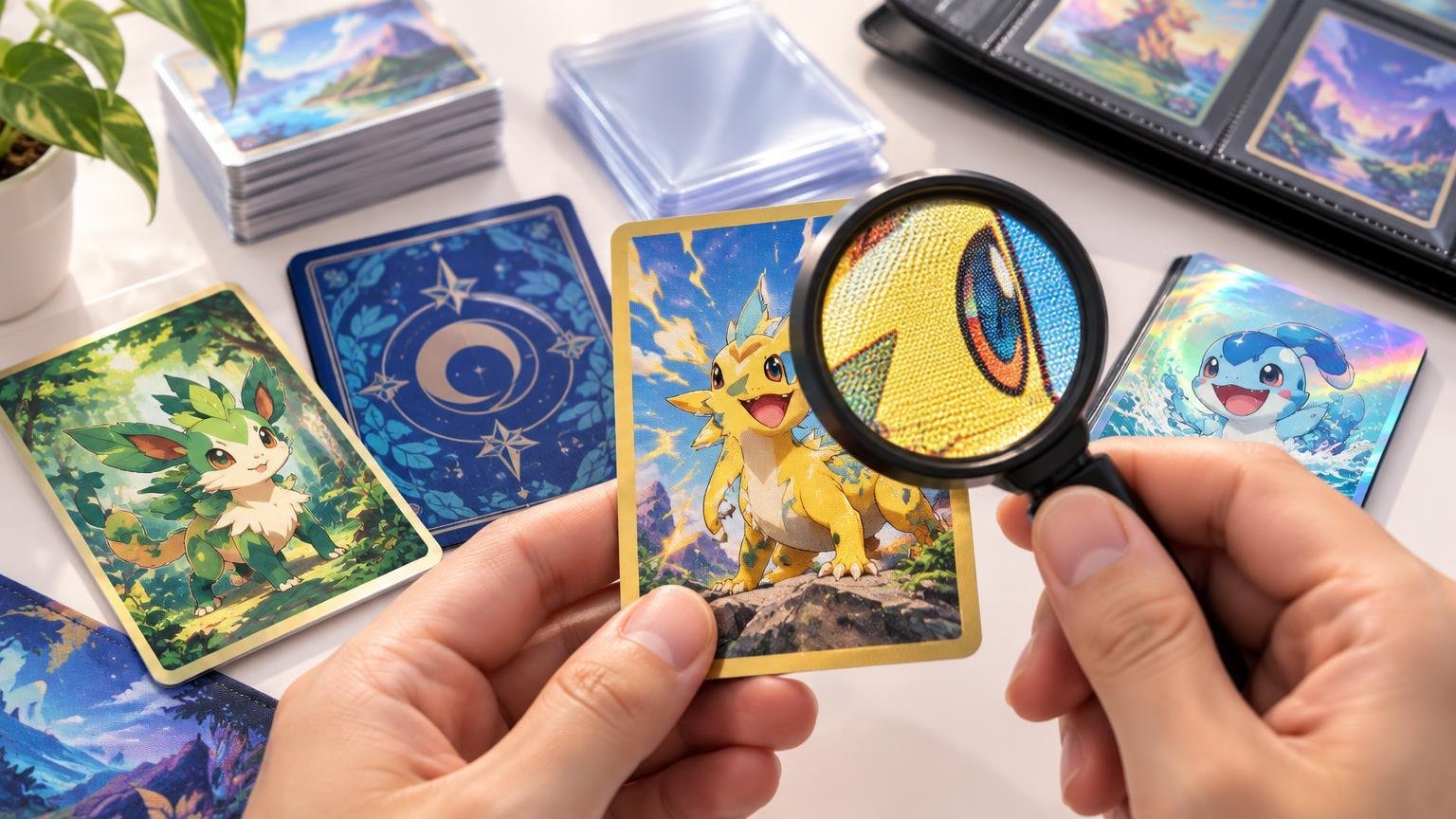
Product photos cannot prove every detail of a Pokémon proxy, but the right closeups, angles, edge shots, and group images can reveal far more than a polished hero image.
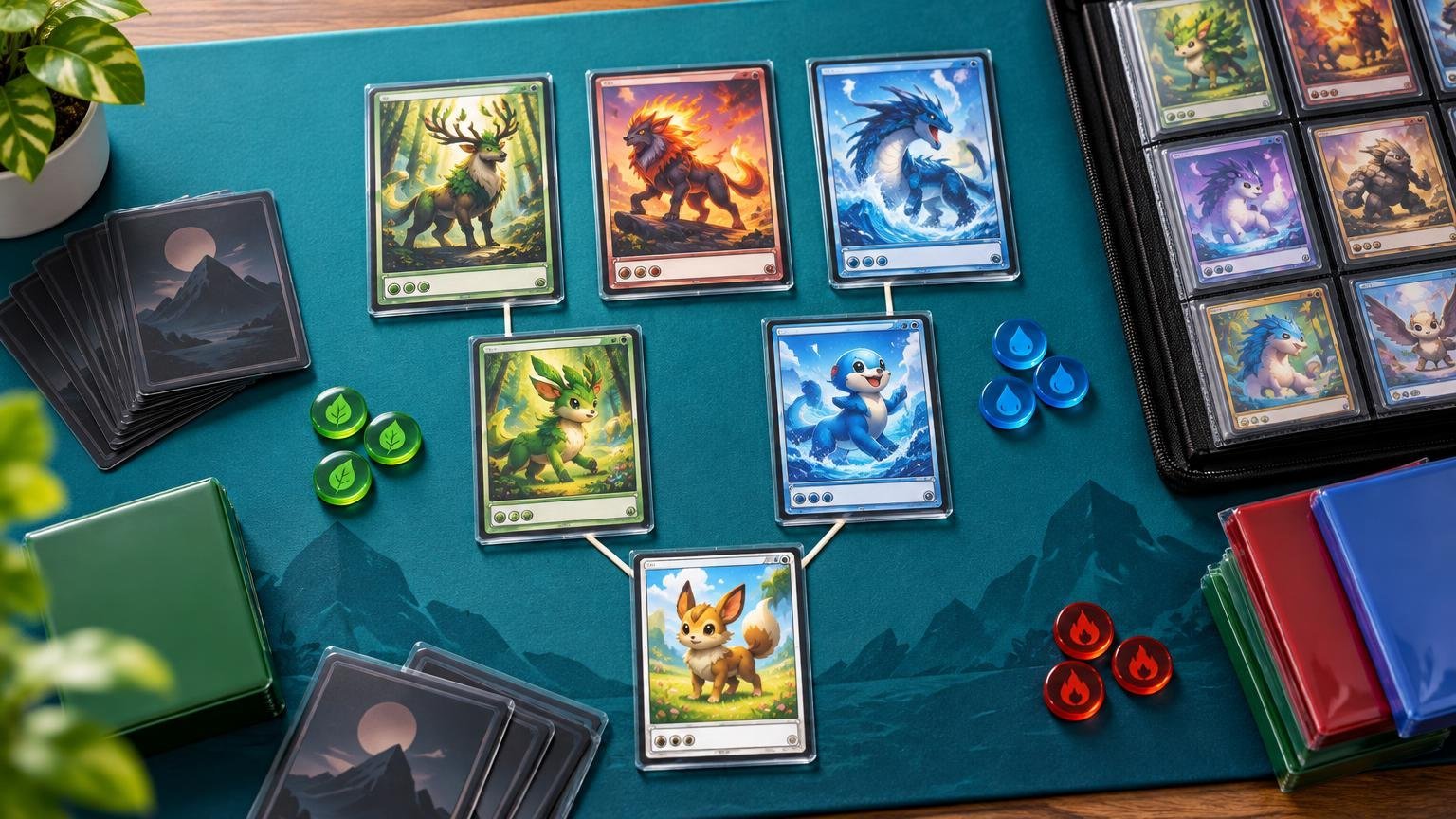
A practical method for balancing Basics, Stage 1 and Stage 2 Pokémon so your Cube produces draftable lines instead of stranded Evolution cards.
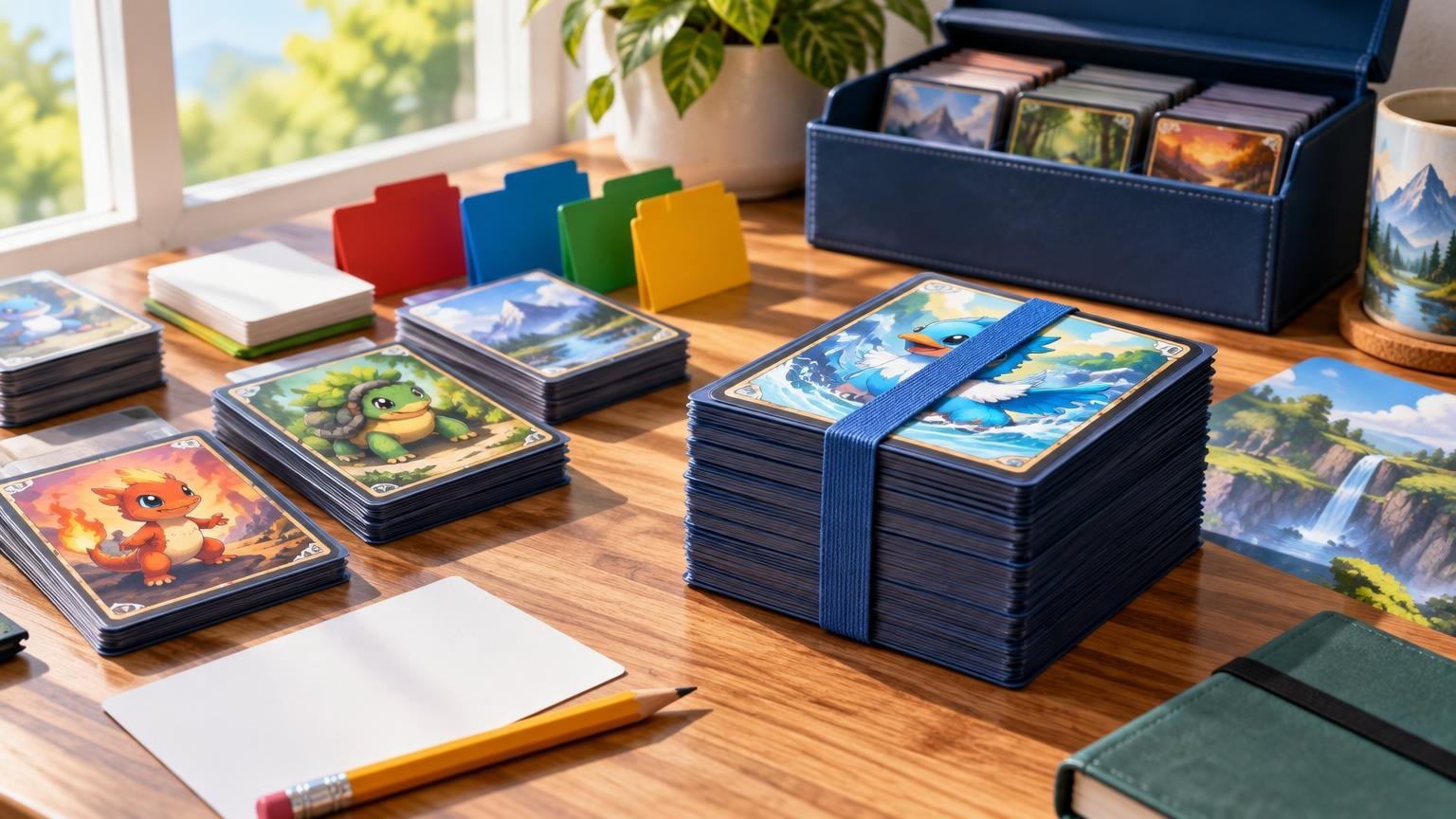
A complete print run is best for a proven Pokémon Cube. Use inserts or a hybrid approach while archetypes, Evolution lines, Energy rules, and card choices are still changing.
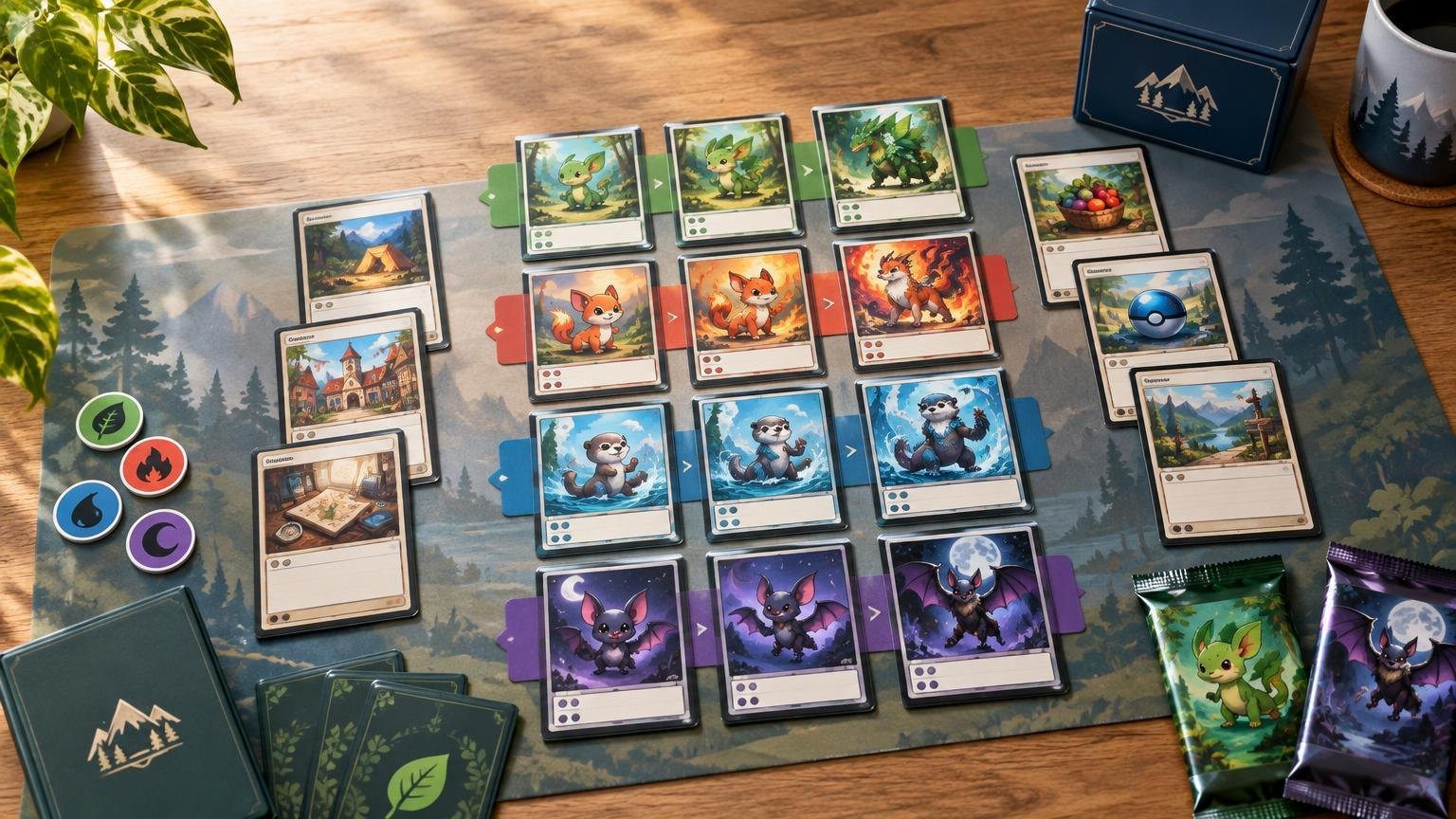
A practical framework for building a Pokémon TCG Cube that produces coherent decks, supported Evolution lines, meaningful draft choices, and balanced games.
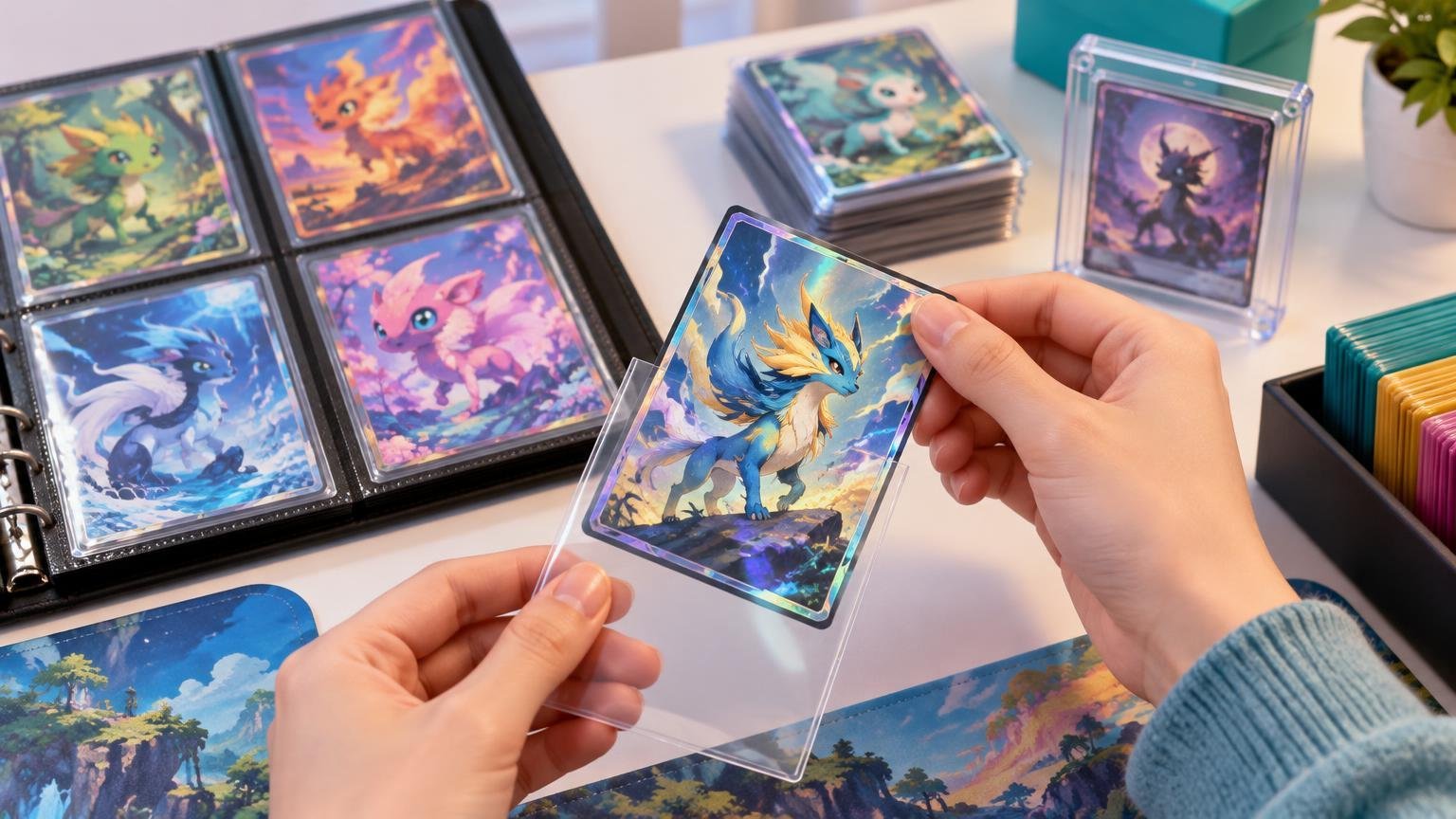
Use sleeves, suitable storage, careful handling, and a stable indoor environment to protect holographic custom Pokémon cards from preventable wear.
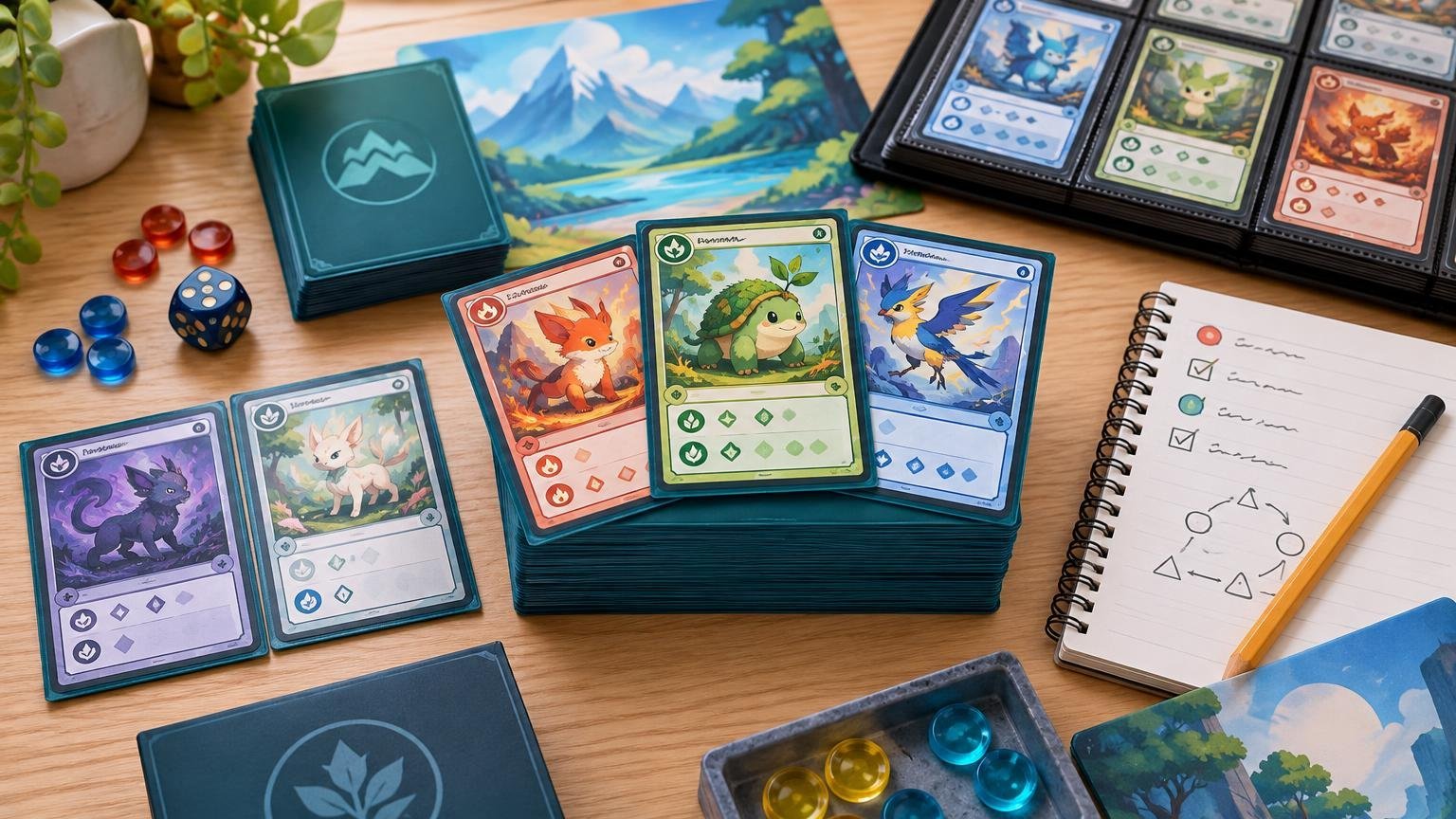
Proxy the complete deck, test its setup and recovery under controlled conditions, and learn which parts of a new Pokémon TCG archetype are worth buying.
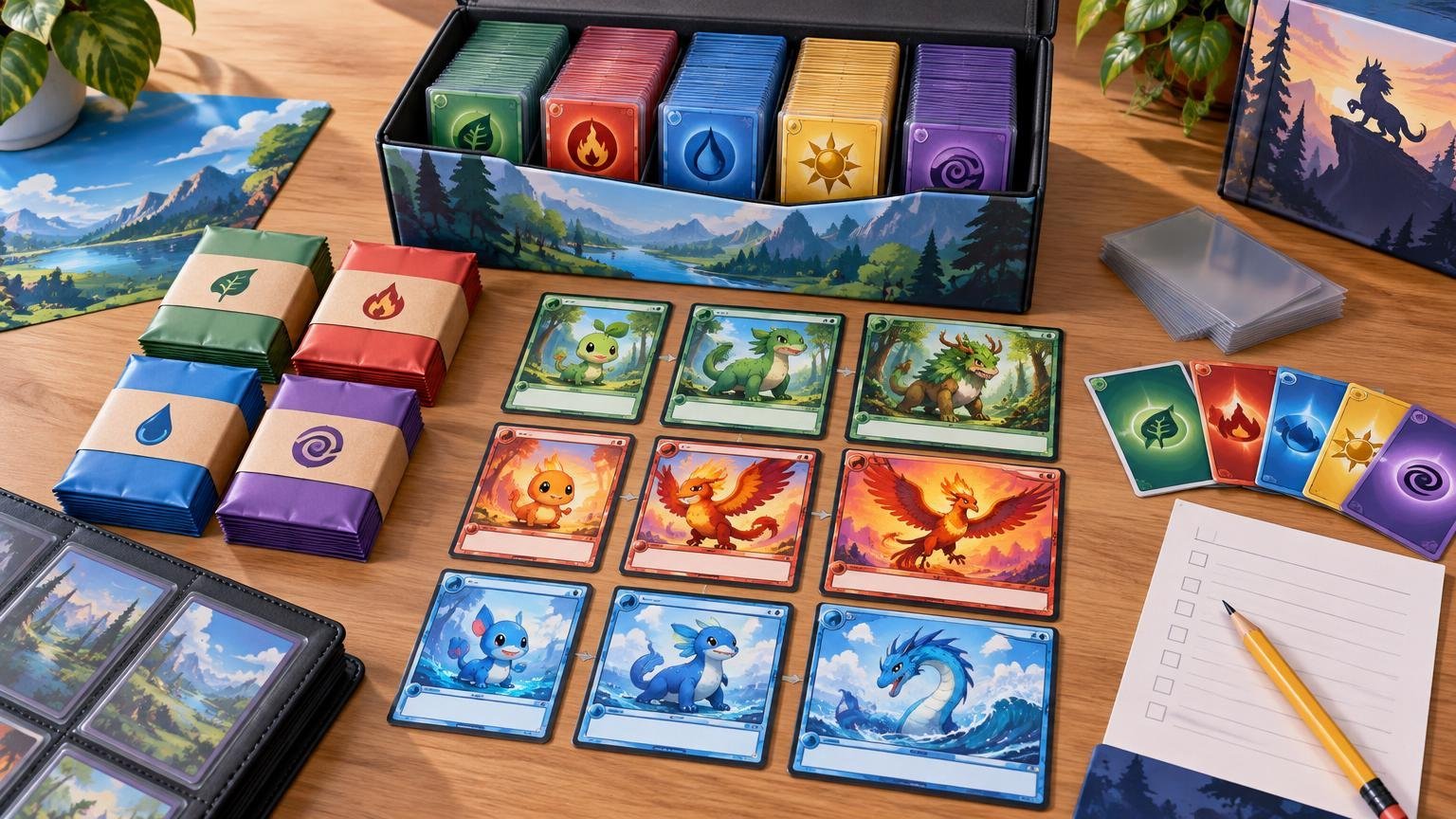
A practical guide to recreating one Pokémon expansion as a reusable draft environment, including card counts, rarity simulation, Evolution support, Energy, and proxies.
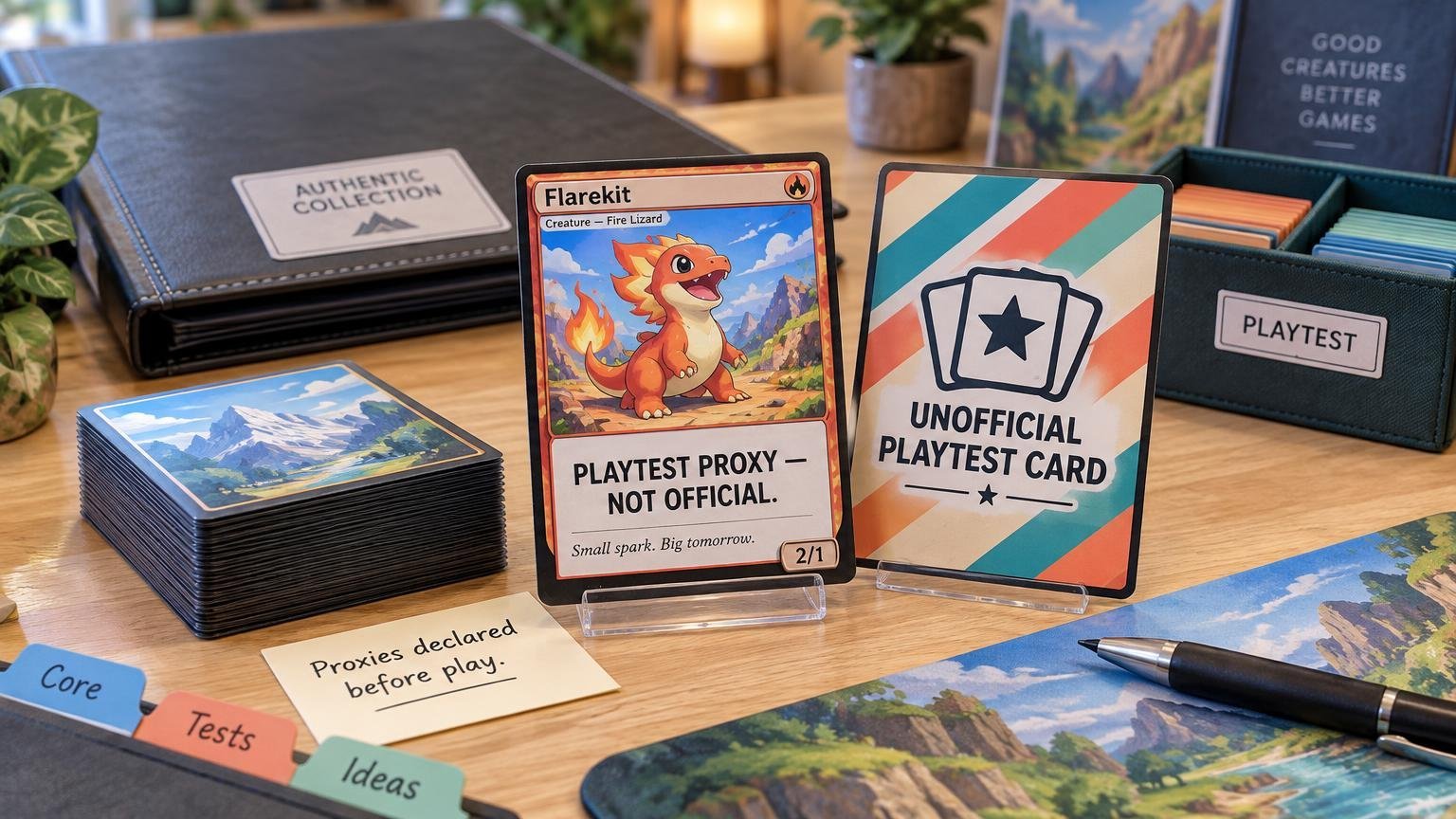
A practical checklist for labeling, sleeving, organizing, and disclosing unofficial Pokémon TCG playtest cards so they are not confused with authentic cards.
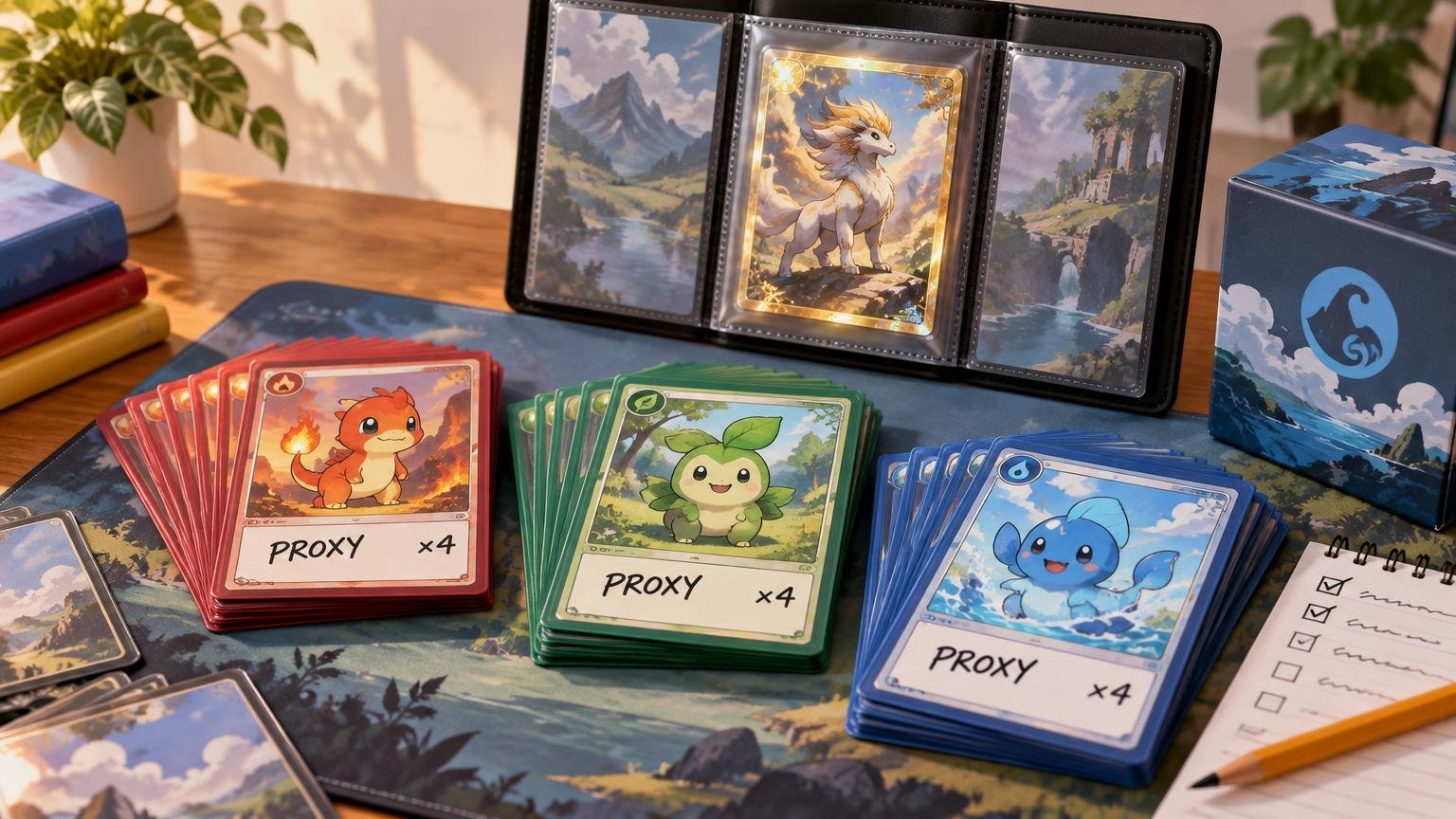
Keep several casual Pokémon TCG decks assembled around one costly card by storing the original safely, marking every substitute, tracking copy counts, and rebuilding properly before sanctioned play.
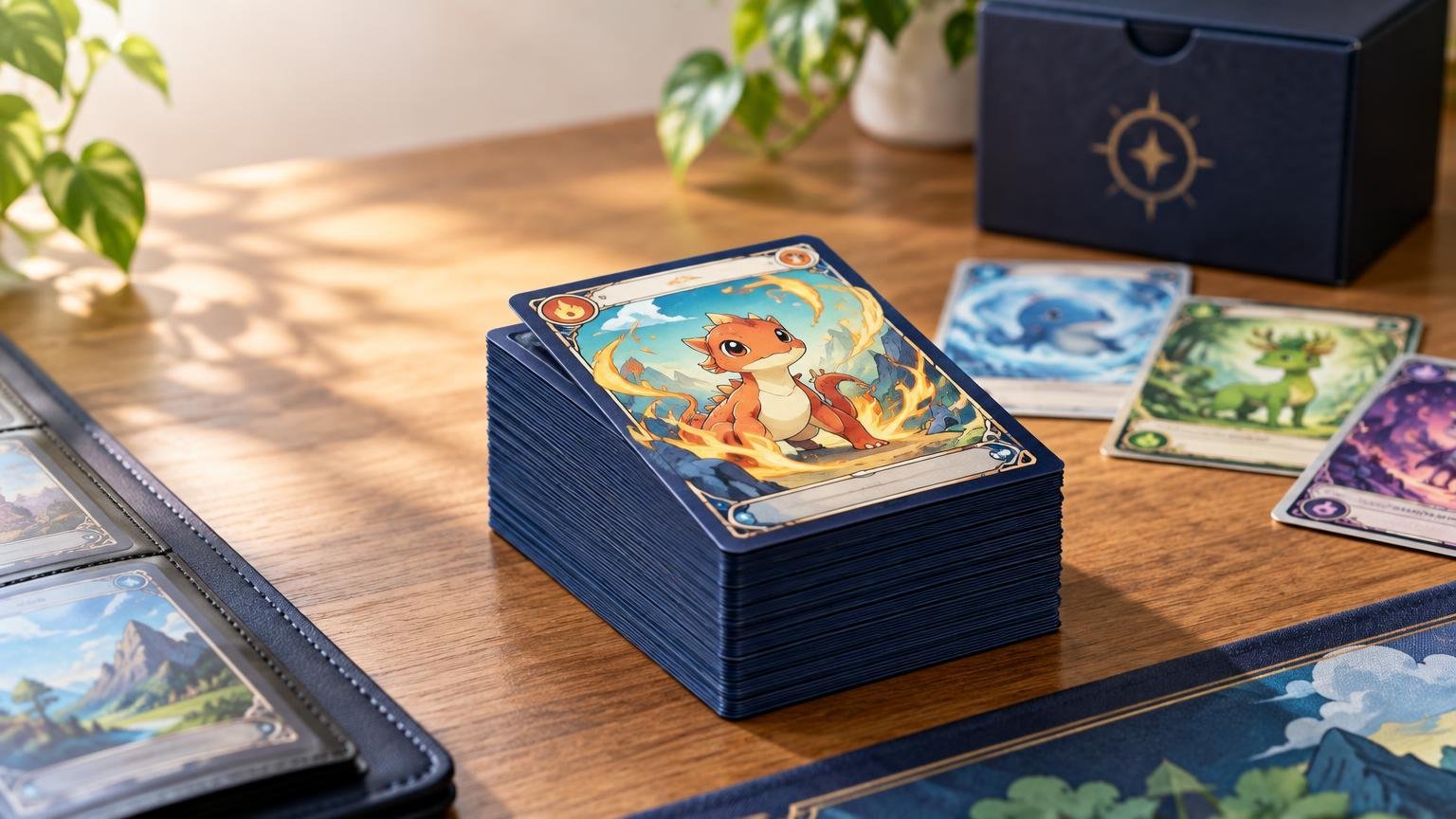
Opaque matching sleeves can reduce noticeable thickness differences during casual Pokémon TCG testing, but construction, cut quality, sleeve wear, and storage still matter.
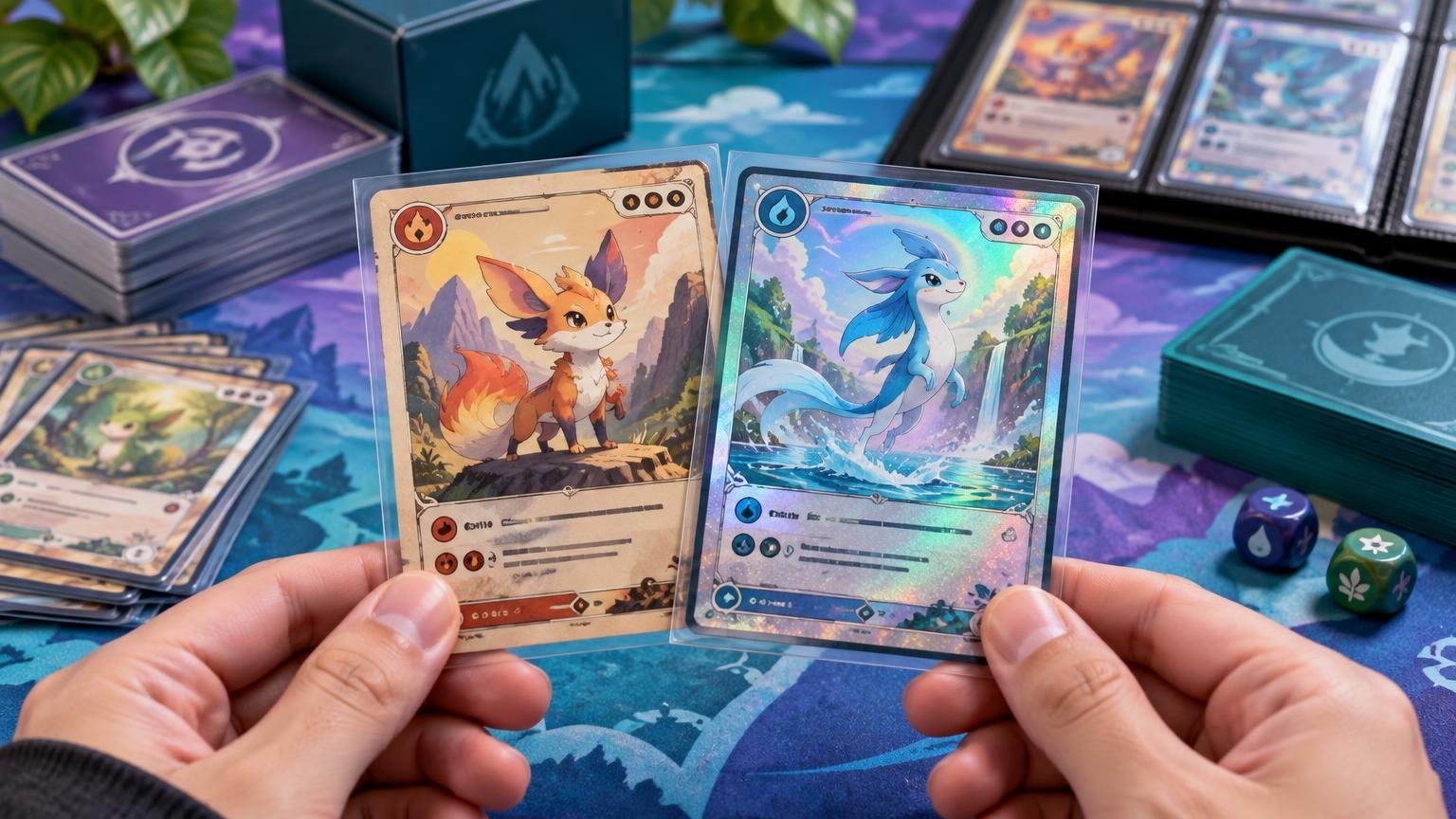
Learn how to compare lower-priced and premium Pokémon proxies using observable details such as cut precision, readability, stock, finish, holo execution, consistency, and seller support.